
Unveiling the Truth: Debunking Myths About Energy, Climate Change, and Merger News
The ongoing discourse surrounding energy, climate change, and corporate mergers has generated a plethora of myths that cloud public understanding and impact policy decisions. As we navigate an increasingly complex global landscape, it becomes crucial to distinguish between fact and fiction. Many misconceptions arise from sensationalized media coverage, outdated information, or deliberate misinformation campaigns. This article aims to shed light on some of the most prevalent myths regarding these critical topics. By addressing these misunderstandings, we can foster a more informed public discourse and encourage constructive action toward sustainable energy solutions and effective climate policies. In an era marked by urgent climate crises and evolving energy technologies, debunking these myths is not just necessary but essential for creating a sustainable future. Let’s explore some of the most common myths, provide clarity, and equip ourselves with the knowledge needed to engage meaningfully in discussions about energy, climate change, and mergers.
Myth 1: Renewable Energy Is Not Reliable
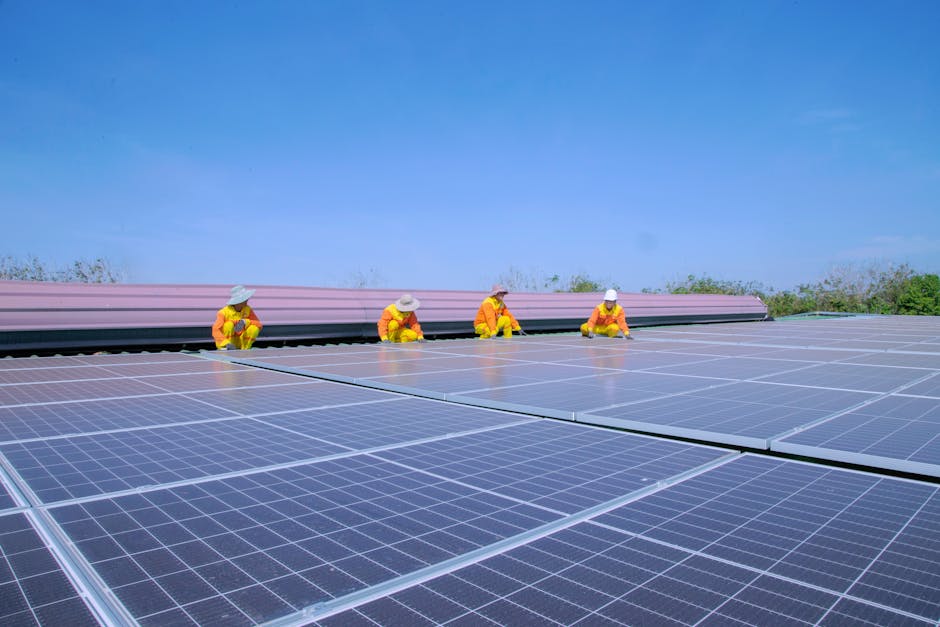
One of the most pervasive myths is that renewable energy sources like solar and wind are not reliable and cannot provide a stable energy supply. Critics argue that intermittent generation due to weather conditions makes renewables less dependable than fossil fuels. However, advancements in technology and energy storage solutions have significantly improved the reliability of renewable energy. For example, battery storage systems can store excess energy generated during peak production times and release it when demand is high, thus balancing supply and demand effectively. Countries like Germany and Denmark have successfully integrated high percentages of renewables into their grids, demonstrating that with proper infrastructure and management, renewable energy can provide a consistent and reliable power supply.
Myth 2: Climate Change Is a Hoax
The assertion that climate change is a hoax is not only misleading but dangerous. This myth is often propagated by those who stand to benefit from the status quo of fossil fuel dependency. Scientific consensus overwhelmingly supports the reality of climate change, with organizations like the Intergovernmental Panel on Climate Change (IPCC) providing extensive research detailing human-induced climate impacts. For instance, the increase in global temperatures, rising sea levels, and more frequent extreme weather events are all well-documented phenomena directly linked to climate change. Ignoring these facts not only hampers efforts to mitigate climate impacts but also endangers future generations. Open dialogue based on scientific evidence is crucial for addressing climate change effectively.
Myth 3: Electric Vehicles (EVs) Are Worse for the Environment
Another common myth is that electric vehicles are worse for the environment than traditional gasoline cars, primarily due to the emissions associated with their manufacturing and the electricity used to charge them. While it is true that EVs have a larger carbon footprint during production, especially concerning battery manufacturing, the overall lifecycle emissions are significantly lower than those of internal combustion engine vehicles. Studies have shown that even when powered by fossil fuels, EVs tend to produce less greenhouse gas emissions than gasoline cars. Moreover, as the electricity grid becomes greener with the increasing share of renewables, the environmental benefits of driving electric will only improve. Transitioning to electric vehicles is a critical step in reducing our carbon footprint and combating climate change.
Myth 4: Mergers Always Harm Competition
The narrative that mergers inevitably harm competition and lead to monopolistic practices is a simplification of a complex issue. While some mergers can reduce competition, others lead to greater efficiency, innovation, and consumer benefits. For instance, the merger of major telecommunications companies can result in improved service quality and expanded network coverage due to shared resources. Regulatory bodies, such as the Federal Trade Commission (FTC) in the United States, closely scrutinize proposed mergers to assess their impact on competition. In well-regulated industries, mergers can facilitate the development of new technologies and services that ultimately benefit consumers. Therefore, it is essential to evaluate mergers on a case-by-case basis rather than broadly condemning them.

Myth 5: Climate Change Solutions Are Too Expensive
Many people believe that implementing solutions to combat climate change is prohibitively expensive, leading to resistance against necessary policy changes. However, the reality is that the cost of inaction is far greater than the investments needed for climate change mitigation. Studies show that transitioning to renewable energy not only reduces greenhouse gas emissions but also creates jobs and stimulates economic growth. For example, the solar and wind industries have seen exponential growth, creating hundreds of thousands of jobs in manufacturing, installation, and maintenance. Moreover, investing in energy efficiency measures can lead to significant savings on energy bills over time, making these solutions economically viable. The long-term benefits of addressing climate change far outweigh the initial costs.
Myth 6: Energy Efficiency Is Sufficient to Solve Climate Change
While energy efficiency is a vital component in the fight against climate change, believing it alone can resolve the issue is a misconception. Energy efficiency measures, such as improved insulation and more efficient appliances, can significantly reduce energy consumption and emissions. However, they must be combined with a transition to low-carbon energy sources for a meaningful impact. For example, a home may be energy efficient, but if it relies on coal-fired electricity, its carbon footprint remains substantial. A holistic approach that includes increasing energy efficiency, transitioning to renewable energy, and implementing policy changes is necessary for effectively addressing climate change. Only through coordinated efforts can we hope to achieve significant reductions in greenhouse gas emissions.
Myth 7: The Public Doesn’t Care About Climate Change
Another common myth is that the general public is apathetic toward climate change and energy issues. While there may be varying levels of awareness and concern across different demographics, recent surveys indicate a growing recognition of climate change as a pressing issue. For instance, many young people are vocal about their concerns and are advocating for urgent action. Movements such as Fridays for Future and the Global Climate Strikes have mobilized millions worldwide, demonstrating that public interest in climate action is robust. Furthermore, there is a growing demand for sustainable practices from consumers, prompting businesses to adopt greener policies. This shift in public sentiment highlights an emerging consciousness around climate change, which is crucial for driving political and corporate action.
Conclusion
Debunking myths about energy, climate change, and mergers is essential for fostering informed discussions and effective policy-making. As we face the realities of climate change and the need for sustainable energy solutions, understanding the facts is crucial. By challenging misconceptions, we empower ourselves and others to engage in meaningful conversations and advocate for necessary changes. The journey toward a sustainable future requires collective action, informed decision-making, and a commitment to addressing the challenges we face. Together, we can unravel the myths that hinder progress and embrace the truth that guides us toward a healthier planet and a more equitable society.