Unlocking the Secrets: How Weather and Natural Disasters Impact Oil Prices – Your Essential Guide to Staying Informed
In today’s interconnected world, the price of oil is a critical economic factor that can influence everything from consumer prices to global markets. While many factors contribute to the fluctuation of oil prices, one of the most significant yet often overlooked influences is the impact of weather and natural disasters. Understanding this dynamic is essential for investors, policymakers, and consumers alike. Extreme weather events such as hurricanes, floods, and heatwaves can disrupt oil production, refining, and transportation, leading to sudden price spikes or drops. This article aims to explore how various weather phenomena and natural disasters affect oil prices, providing you with an essential guide to staying informed about this crucial aspect of the economy. By delving into the relationship between environmental factors and oil market dynamics, we hope to equip readers with the knowledge necessary to make informed decisions in a volatile market.
The Connection Between Weather and Oil Production
The oil industry is highly sensitive to weather conditions, which can directly impact production levels. For instance, extreme temperatures can affect drilling operations, particularly in arctic regions where equipment may freeze. In contrast, excessive heat can reduce the efficiency of oil extraction processes. Moreover, weather anomalies, such as heavy rainfall or drought, can disrupt logistics and transport routes, further hindering production. For example, during the summer months in the Gulf of Mexico, high temperatures can lead to equipment failures or slowdowns at refineries, affecting output levels. This ripple effect can significantly influence oil prices in both the short and long term. Understanding the interplay between weather and production helps explain why prices may surge during specific seasons or after unexpected climatic events.
Natural Disasters: Hurricanes and Oil Prices
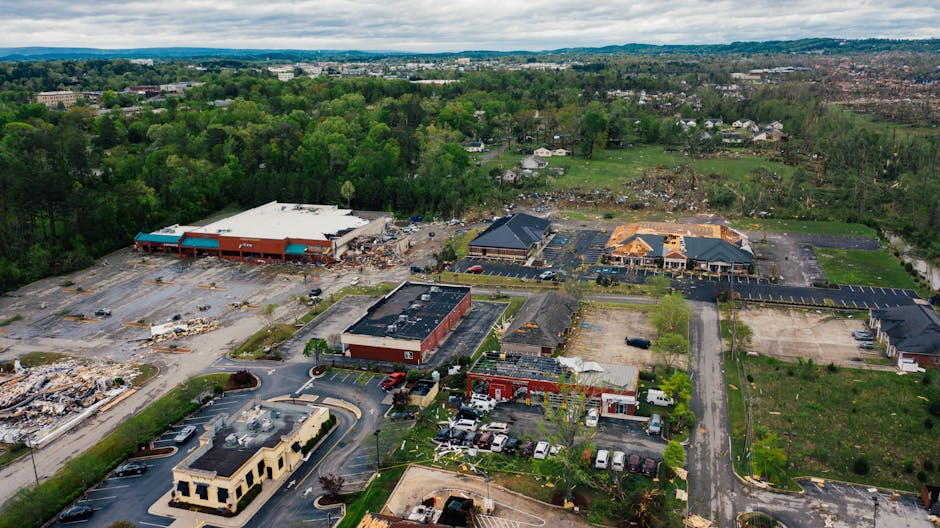
Hurricanes are among the most impactful natural disasters affecting oil prices, particularly in the United States. The Gulf Coast is home to a significant portion of the nation’s oil production and refining capacity. When a hurricane approaches, companies often preemptively shut down rigs and refineries to ensure the safety of personnel and equipment. For example, Hurricane Katrina in 2005 led to the shutdown of approximately 95% of oil production in the Gulf of Mexico, resulting in a dramatic spike in oil prices. Such events can create a supply shock, sending prices soaring as markets react to anticipated shortages. Furthermore, the recovery period post-hurricane can prolong disruptions, maintaining elevated prices until normal operations resume. Understanding these patterns is crucial for anticipating market reactions during hurricane season.
Flooding and Its Effects on Oil Infrastructure
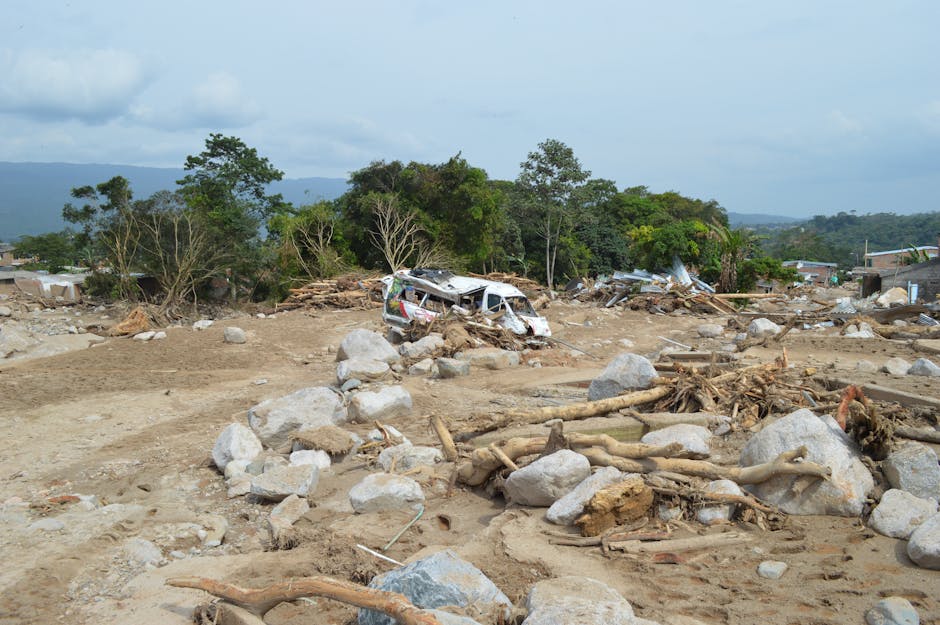
Flooding can cause significant damage to oil infrastructure, including pipelines, refineries, and storage facilities. When a region experiences heavy rainfall or severe flooding, the immediate impact can be disastrous. Floodwaters can wash away critical infrastructure or render facilities inoperable due to safety hazards. For instance, the severe flooding in Houston in 2017 caused by Hurricane Harvey led to the shutdown of several refineries, drastically reducing production capacity. This event had a cascading effect on the oil market, leading to increased prices as supply dwindled. Flooding can also disrupt transportation routes, complicating the logistics of moving crude oil and refined products. Such disruptions can lead to increased transportation costs, further contributing to rising oil prices. Awareness of these risks can help stakeholders prepare for potential price volatility.
Heatwaves and Their Economic Consequences
While hurricanes and flooding often dominate discussions about weather-related oil price impacts, heatwaves can also play a critical role. Prolonged periods of extreme heat can increase energy demand, particularly for cooling purposes. This surge in demand can lead to higher consumption of oil and gas, putting upward pressure on prices. Additionally, heatwaves can affect oil extraction processes, especially in regions where water is scarce, making it costly to operate drilling equipment. For example, the heatwave in the summer of 2021 in the Western United States caused a spike in natural gas prices, which indirectly influenced oil prices as energy markets reacted to the increased demand. Understanding how heatwaves can affect supply and demand dynamics is essential for anticipating fluctuations in oil prices during summer months.

Geopolitical Tensions and Weather Events
Weather and natural disasters are not isolated events; they often intersect with geopolitical tensions, further complicating the oil market landscape. For instance, a hurricane hitting a region with already strained relations can exacerbate supply chain issues and lead to heightened prices. In 2019, for example, Hurricane Dorian threatened to impact oil facilities in the Bahamas and the U.S. East Coast. The anticipation of supply disruptions, coupled with existing geopolitical tensions in the Middle East, led to spikes in oil prices. Additionally, countries may respond to natural disasters by altering their foreign policies, potentially leading to sanctions or trade restrictions that can impact oil supply. Recognizing the interconnectedness of weather, disaster response, and geopolitical dynamics is crucial for understanding oil price fluctuations.
Market Speculation and Weather Predictions
The influence of weather on oil prices is not merely a matter of supply and demand; market speculation plays a significant role as well. Traders and investors closely monitor weather forecasts and historical data to anticipate potential disruptions. When forecasts predict severe weather events, such as hurricanes or extreme heat, speculators often buy oil futures to hedge against potential price increases. This speculative trading can lead to price surges even before any actual disruption occurs. For example, in the run-up to Hurricane Sandy in 2012, oil prices spiked as traders anticipated supply disruptions. Understanding the role of market psychology and speculation in response to weather forecasts is essential for anyone looking to navigate the complexities of oil pricing.
Preparing for the Future: Climate Change and Oil Prices
The long-term implications of climate change are becoming increasingly relevant in discussions about oil prices. As weather patterns become more unpredictable and extreme, the frequency and severity of natural disasters are likely to increase. This shift could lead to more significant disruptions in oil production and refining processes, creating a new normal for oil price volatility. Companies may need to invest in more resilient infrastructure and adaptive strategies to mitigate the impacts of climate events. Furthermore, as governments worldwide push for a transition to renewable energy, the oil market may face additional pressures that could reshape pricing dynamics. By understanding the potential future impacts of climate change on oil prices, stakeholders can better prepare for the challenges ahead.
Conclusion
Understanding how weather and natural disasters impact oil prices is essential for navigating the complexities of the energy market. From hurricanes and flooding to heatwaves and geopolitical tensions, various factors can influence supply and demand dynamics, leading to price fluctuations. As we move forward, consideration of climate change and its long-term effects on weather patterns will become increasingly important. By staying informed about these factors, investors, policymakers, and consumers can make more informed decisions in a volatile market. Ultimately, being aware of the interconnectedness between environmental phenomena and oil pricing will equip stakeholders to better anticipate and respond to future challenges in the energy sector.